
Highscore
| Highscore | |
|---|---|
| Tables | Player, guild and PvP |
| Default view | Player table, sorted by loot |
| Places shown | First 10,000, in blocks of 100 |
| Player columns | Ten, all sortable |
| Updates | Delayed on purpose, not live |
The highscore shows how every knight and every guild on the server is doing. Three filters sit above it. The first picks which table is on screen: players, guilds or the PvP ranking. The second jumps to where a player and their friends currently stand. The third moves through the first ten thousand places in blocks of a hundred. The player table is the one that loads by default.
Gold hunters get the most out of it. Behind the ranking sits a sortable record of everyone else's fights, and that turns the highscore into a way of choosing targets.
The player table
Ten columns make up the player table: level, total loot, fights, wins, losses, draws, gold taken, gold lost, hit points dealt and hit points taken. The table opens sorted by loot. Every column can be sorted, and clicking the active column a second time flips the order, so the bottom of any ranking is only one click away from the top.
The guild table
The guild table works the same way, with every figure adding up the results of all the members. Castle expansion comes first, running from 0 for an unexpanded castle to 24 for a full one, followed by the member count and total loot. The remaining columns cover fighting: how many wars the guild has fought, the wins, losses and draws from its members' fights, the gold they have taken, and finally wars won and wars lost.
Finding gold donkeys and safe opponents
This is what most players open the player table for. Sorting by gold lost brings the heaviest losers to the top, which is how a gold donkey is found on purpose rather than by luck. A high figure is only a lead, though, and a test attack shows what an account really carries. The same table serves the opposite need as well: finding a small opponent to fight purely to start the hour protection.
Why the figures lag
The numbers are not wrong, just old. The highscore no longer tracks the game minute by minute, and player profiles are delayed in the same way, for reasons of security and performance. The delay spares the servers and their databases, and it makes the list useless to anyone running tools to read it automatically, since a list that is never current is not worth scraping.
Equipment Categories
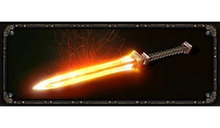
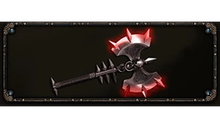
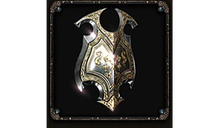
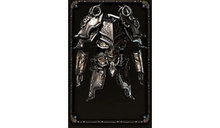
KnightFight Categories
| Section | What It Covers |
|---|---|
| Equipment | Weapons, armour, jewellery and soul stones: what is sold, what it costs, and what it does to a knight's numbers. |
| Attributes | The five trained attributes, the alignment axis they sit alongside, and the combat potential figure that summarises them. |
| Progression | Levels, experience, and the skill points that decide which equipment the merchant will sell. |
| Combat | Attacking, being attacked, the hour of protection between the two, and the separate international battle server. |
| Economy | The two currencies, the three places that take them, and the two ways of earning them. |
| Guilds | Founding a guild, the castle that sets its size, and the seven-day wars it can declare. |
| World | The estate a knight lives in and the altar inside it. |
| Achievements | Medals, and the highscore tables they are won from. |
| Abbreviations | The shorthand players use in chat and on the highscore |
| Game Principle | The knight, the oath, and what the game asks of a player |
| Premium Account | What paying changes, feature by feature |


