
Guilds
| Guilds | |
|---|---|
 | |
| Founded from | Level 5, for 1,000 gold |
| Member cap | Set by the guild castle |
| Castle upgrades | Paid with gold from members |
| Largest castle | Level 24, up to 135 members |
| Rights given by | The guild administrator |
A guild is a band of knights who fight under one name and tag and share a castle. Any character who has reached level 5 can found one for 1,000 gold, and the same menu is where a player without a guild goes looking for one to join.
Guilds have a table of their own in the highscore, where every figure is the combined result of all their members.
The guild castle
The castle decides how many members a guild can hold, and it grows with the gold that members donate. The biggest castle stands at stage 24 with room for up to 135 members, and the highscore counts stage 24 as fully expanded, so that is the top of the scale.
One place is always held back by the system for applications. A guild showing 19 of 20 members therefore has to expand before it can take in a twentieth.
What the administrator controls
The administrator admits and dismisses members, hands out rights, expands the castle and can dissolve the guild altogether. Most of those powers can be passed on one at a time from the admin rights screen: sending the newsletter, editing the guild description, admitting and kicking members, starting or stopping a guild war, disbanding the guild, and full admin, which includes all of them and puts the holder on the same footing as the founder.
Because full admin includes disbanding, handing it out gives another player the power to delete the guild, so rights are worth assigning with care. Rank changes what a member sees, too: ordinary members only see the administrators as online, while full admins see every member online as soon as they do something in the game.
Why players join
A knight attacked by someone far stronger has no answer alone, and a guild means having people to call on. Members share their gold donkeys with one another and may turn up new ones that way. Beyond that, a guild offers advice for anyone stuck on something, internal tournaments to settle who the best fighter is, wars against other guilds, and the chance to meet new people.
Names, tags and empty guilds
A guild's name and tag must both be unused. The tag takes only letters and digits, and umlauts in a name have to be spelled out as ae, oe, ue and ss. An error while creating a guild means one of these rules was broken.
A guild can outlive its members, either when the last one deletes their account without dissolving it or when the members are removed for breaking the rules. The empty guild stays on the server, nobody can join it, and its name and tag stay blocked. Such guilds can be reported with a support ticket.
Equipment Categories
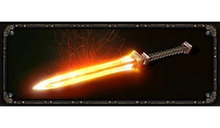
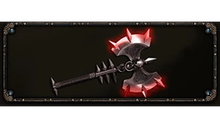
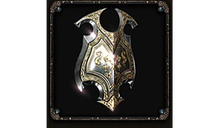
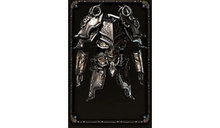
KnightFight Categories
| Section | What It Covers |
|---|---|
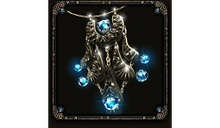
| Equipment | Weapons, armour, jewellery and soul stones: what is sold, what it costs, and what it does to a knight's numbers. |
| Attributes | The five trained attributes, the alignment axis they sit alongside, and the combat potential figure that summarises them. |
| Progression | Levels, experience, and the skill points that decide which equipment the merchant will sell. |
| Combat | Attacking, being attacked, the hour of protection between the two, and the separate international battle server. |
| Economy | The two currencies, the three places that take them, and the two ways of earning them. |
| Guilds | Founding a guild, the castle that sets its size, and the seven-day wars it can declare. |
| World | The estate a knight lives in and the altar inside it. |
| Achievements | Medals, and the highscore tables they are won from. |
| Abbreviations | The shorthand players use in chat and on the highscore |
| Game Principle | The knight, the oath, and what the game asks of a player |
| Premium Account | What paying changes, feature by feature |


