
Battlefield
| Battlefield | |
|---|---|
| Minimum level | 10 |
| Attacks per session | 100, 200 or 400 |
| Session fee | None, 150 or 250 gems |
| Effect on alignment | None |
| Mobile client | Not available |
The battlefield, also called the battleground or battle server, is a separate international arena where knights from different worlds fight each other. It opens at level 10 and runs alongside the home world: play at home carries on during a session, and a knight's guild does not lose a member to it. The mobile version cannot reach it, so getting in means switching to the normal view. The switch is in the profile, under the optimised view for mobile devices, which has to be turned off.
Fights there pay experience, gold and medals. All three carry over to the home world, where the medals can be shown to other players.
Frozen character
The knight who enters is the knight who fights, unchanged, until the session ends. Health is full at the start of every battle, the level stays where it was at entry, and skill points, experience and avatar changes made at home are not carried over.
Attack limits
Up to 100 attacks are allowed in any 24 hours, and a session ends when it reaches either its time limit or its battle limit. As at home, any one player or NPC can be attacked only once every 12 hours. Defence is looser, though. In place of the home world's hour protection, a knight can be attacked by a different player or NPC every 5 minutes.
Battle points
Combat potential decides the battle points, and they are paid only for a win over an opponent whose combat potential is at least equal. The award runs from 1 to 6 and depends on how far the opponent's combat potential sits above the knight's own, with the higher awards also gated by level.
| Level | CP Difference | Battle Points |
|---|---|---|
| 10 and above | 0 | 1 |
| 10 and above | 0.5 - 1 | 2 |
| 10 and above | >1.5 | 3 |
| 100 and above | >2.5 | 4 |
| 200 and above | >3.5 | 5 |
| 300 and above | >4.5 | 6 |
Battle points become experience at home when the session closes, though not one for one: the points received, minus the fights lost, minus up to 20 per cent, plus up to 5 per cent, with both percentages random. Gold won depends on the opponent's combat potential too, not on what the opponent is carrying, so a much weaker opponent might pay 0 to 16 gold and a stronger one 45 to 60. It converts one for one into gold at home.
Every 100 attacks a knight carries out earns one ticket in the royal prize draw at the end of the battle. The prizes include gold, gems, premium time for the home world, and a doubling of the gold won on the battle server.
Sessions
Three sessions are offered, all requiring level 10. The days are maximums, and the cooldown is the wait between a knight's own attacks:
- Free: 100 attacks over up to 3 days, a 10 minute cooldown, and the previous session must have ended at least 2 days earlier.
- 150 gems: 200 attacks over up to 4 days, a 5 minute cooldown, and the previous session must have ended at least 1 day earlier.
- 250 gems: 400 attacks over up to 7 days, a 5 minute cooldown, and level 10 as the only condition.
Borrowing equipment
Equipment can be borrowed for a session on one condition: the knight's own gear must not match the character's level. A weapon that has fallen behind qualifies, and so does taking the equipment off, since wearing nothing matches no level at all.
The gold cost is taken from the home balance on entry, so it has to be there in advance, and the weapon makes up most of the bill. A knight who already owns a very good weapon saves a lot here. The game makes a suggestion first, which has to be confirmed, so there is room to try things out. Anything can be borrowed: an evil knight can be handed a premium weapon, one normally bought with gems, fitted with holy soul stones.
Tips
The combat potential at entry matters. A knight sitting just at the edge of the next band, such as 1.3 or 1.8, may do better by pushing it a little with weaker equipment. Spare gold that does not go into attributes can buy jewellery for this purpose. Gem-bought equipment is best kept until the battlefield no longer accepts it as matching the level. Too much swapping can upset the balance of a character, though, and can cost too much stamina. Fewer rounds mean a smaller chance of good hits.
Undead that attack a knight and lose badly come back for more. They match the knight's combat potential but are weaker, so they make ideal targets for gold and battle points. The next day the same undead can be attacked again. The attack reports in the battle courier open their profiles, and each one can be fought in turn.
Sometimes the undead at a given combat potential are far higher in level than the knight. The knight then deals enough damage but has much less health, and loses by dropping below 10 health. Fewer rounds help here. A knight can keep its own stamina from climbing too high, or attack undead with little stamina.
Builds
The build a knight brings shapes how the battlefield goes. A defensive one-hander, with most skill points in armour, has a much harder time than an offensive one. Some players put points into the wrong weapon line on purpose, to keep the combat potential low, and move them back later for gold.
A knight who switches from one-handed to two-handed keeps the trained dexterity, because attributes cannot be reset. That dexterity raises the combat potential even with little or no armour, and opponents with a higher combat potential become harder to beat. Gold hunters who want to stay strong at their level often level slowly. Players who want better equipment sooner use the battlefield to level faster.
Equipment Categories
KnightFight Categories
| Section | What It Covers |
|---|---|
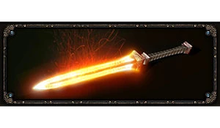
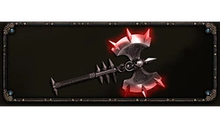
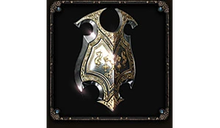
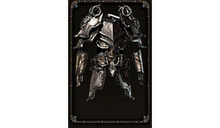
| Equipment | Weapons, armour, jewellery and soul stones: what is sold, what it costs, and what it does to a knight's numbers. |
| Attributes | The five trained attributes, the alignment axis they sit alongside, and the combat potential figure that summarises them. |
| Progression | Levels, experience, and the skill points that decide which equipment the merchant will sell. |
| Combat | Attacking, being attacked, the hour of protection between the two, and the separate international battle server. |
| Economy | The two currencies, the three places that take them, and the two ways of earning them. |
| Guilds | Founding a guild, the castle that sets its size, and the seven-day wars it can declare. |
| World | The estate a knight lives in and the altar inside it. |
| Achievements | Medals, and the highscore tables they are won from. |
| Calculator | Weapon damage, armour absorption, training costs and the experience each level asks for, on the game's own formulas. |