
Bazaar
| Bazaar | |
|---|---|
 | |
| Stock rotates | Every 24 hours, or when it sells out |
| Bribe available from | Level 10 |
| Sale quote valid | 6 hours, one item at a time |
| Sold here and nowhere else | Lightning soul stones, and some weapons |
| Shell game stake | 10 to 100 gold, double or nothing |
The bazaar is the second place to trade equipment and the only place to find some of it. Neither shop is reliably the cheaper one: a bazaar price can beat the merchant's or fall well short of it, and the same goes for the offers made when selling.
What really sets it apart is the stock. A good share of the one-handed and two-handed weapons are bazaar goods, and so is every lightning soul stone. The blacksmith fits those stones like any other, but no other shop sells them, so a lightning build depends on what this stall happens to be showing.
Stock
Stock is drawn per player, so two knights need not see the same goods, and another player's stall says nothing about what anyone else will be offered. The stand shows five to seven items and refreshes every 24 hours, or sooner once everything on it has been bought.
From level 10 the trader will take a bribe to bring in new goods early.
Bazaar weapons are priced in gold on some rows and in gems on others, so gold alone will not clear the stall. The lightning stones are all priced in gold.
Selling by quote
Selling works by quote rather than at a fixed price. A knight asks what the trader will pay for one item in the inventory, and that quote holds for 6 hours. The item can be sold at once, or kept and offered again once the 6 hours are up. Either way that single item occupies the stall, and nothing else can be sold at the bazaar until the window closes.
There is one way out early: selling the quoted item to the merchant instead frees the bazaar for the next item straight away. A low quote on a valuable piece therefore costs more than the figure suggests, because turning it down locks the stall for six hours.
The shell game
A hustler with three hats also works the bazaar. The stake is anything from 10 to 100 gold; a correct pick pays back twice the stake, and a wrong one pays nothing.
Equipment Categories
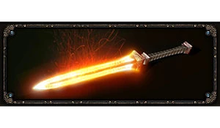
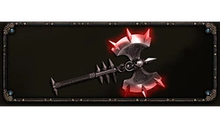
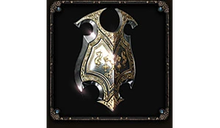
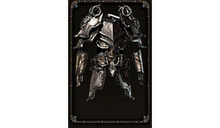
KnightFight Categories
| Section | What It Covers |
|---|---|
| Equipment | Weapons, armour, jewellery and soul stones: what is sold, what it costs, and what it does to a knight's numbers. |
| Attributes | The five trained attributes, the alignment axis they sit alongside, and the combat potential figure that summarises them. |
| Progression | Levels, experience, and the skill points that decide which equipment the merchant will sell. |
| Combat | Attacking, being attacked, the hour of protection between the two, and the separate international battle server. |
| Economy | The two currencies, the three places that take them, and the two ways of earning them. |
| Guilds | Founding a guild, the castle that sets its size, and the seven-day wars it can declare. |
| World | The estate a knight lives in and the altar inside it. |
| Achievements | Medals, and the highscore tables they are won from. |
| Abbreviations | The shorthand players use in chat and on the highscore |
| Game Principle | The knight, the oath, and what the game asks of a player |
| Premium Account | What paying changes, feature by feature |


