
Merchant
| Merchant | |
|---|---|
 | |
| Stocks | All seven equipment classes |
| Bazaar only | Lightning soul stones, some weapons |
| Conditions to buy | Level, price, alignment, skill |
| Gated by skill points | Weapons, shields, armour |
| Gated by level | Rings, amulets, soul stones |
The merchant is the shop that carries almost everything a knight can wear or wield. One-handed and two-handed weapons, shields, armour, rings, amulets and soul stones are all sold over the same counter.
Selling happens on the same screen, through the button at the bottom of the inventory panel. The merchant pays back half of what an item cost, which still beats leaving the gold in the purse for an attacker to take.
What the counter asks for
Four conditions have to be met before the merchant will sell an item: the level it asks for, enough money to pay for it, a suitable alignment, and the right skill. Armour and shields are checked against armour skill, and weapons against the weapon skill for whichever hand the knight has committed to.
Which of the two progression checks applies depends on the class. Weapons, shields and armour ask for a skill point total, while rings, amulets and soul stones ask only for a level.
That split turns a shopping list into a training plan. Levels arrive on their own, so jewellery and soul stones unlock in time without any decision. A skill point spent on one weapon hand is a point that is not spent on armour, and taking it back costs gold on a rising scale.
Gold or gems
About a quarter of the merchant's stock is priced in gems rather than gold. Gold prices run from 50 for the cheapest armour up to 218,000 for the most expensive two-hander, and gem prices from 50 up to 4,500. Each item carries a single price in one of the two currencies. Among weapons with the same requirement, the gem-priced one almost always hits harder. Gems can also be converted into gold at a flat rate of 2 gold per gem.
What the merchant never carries
About a third of the weapons are bazaar goods and never appear at this counter at any price. The same is true of one whole element of soul stone. Five of the six elements are stocked here, but lightning is not, so any lightning stone a knight owns came from the bazaar.
Equipment Categories
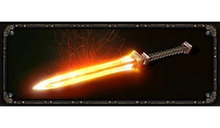
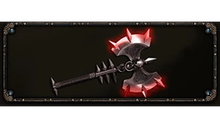
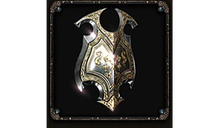
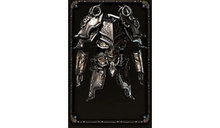
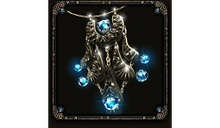
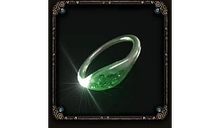
KnightFight Categories
| Section | What It Covers |
|---|---|
| Equipment | Weapons, armour, jewellery and soul stones: what is sold, what it costs, and what it does to a knight's numbers. |
| Attributes | The five trained attributes, the alignment axis they sit alongside, and the combat potential figure that summarises them. |
| Progression | Levels, experience, and the skill points that decide which equipment the merchant will sell. |
| Combat | Attacking, being attacked, the hour of protection between the two, and the separate international battle server. |
| Economy | The two currencies, the three places that take them, and the two ways of earning them. |
| Guilds | Founding a guild, the castle that sets its size, and the seven-day wars it can declare. |
| World | The estate a knight lives in and the altar inside it. |
| Achievements | Medals, and the highscore tables they are won from. |
| Abbreviations | The shorthand players use in chat and on the highscore |
| Game Principle | The knight, the oath, and what the game asks of a player |
| Premium Account | What paying changes, feature by feature |


