
Game Principle
| Game Principle | |
|---|---|
| Screen after every login | The knight's status page |
| Gold per link click | 1 to 3 |
| Share of a recruit's link earnings | 25 per cent |
| Paid when a recruit reaches level 3 | 250 gold and 1 experience point |
| Paid when a recruit reaches level 10 | 100 gems and 1 experience point |
KnightFight bills itself as 100 per cent PvP, 75 per cent MMO and 75 per cent RPG, and the first figure sets the tone. There is no beginner protection, so a new knight can be attacked almost as soon as the account exists.
Every login opens the knight's status page. It shows the character's figures and, next to them, a referral link that belongs to that character alone. Duels with other knights are decided by those figures and by the equipment worn, and the status page is where both can be checked.
The oath
In the game's story, knights served the king for glory, honour and justice, and that honour made them Knights of Light. Those who forgot their oath and filled their treasure chambers through robbery became the Dark Hordes. A new player takes the same oath and chooses between the same two paths: fighting for fame, honour and justice, or living off raids and immoral missions. Alignment keeps the score.
Referral link
The link is meant to leave the game: sent to friends, built into a homepage or used as a forum signature. It pays out in four ways.
A click alone brings in 1 to 3 gold. If the visitor registers, the new knight becomes the referrer's recruit, and the referrer receives 25 per cent of the gold the recruit's own link earns. When the recruit reaches level 3, the referrer collects 250 gold and an experience point; at level 10, 100 gems and another point. That last payment carries the real weight, since 100 gems is a fifth of a thirty-day premium term, earned without paying anything. Faking accounts through a referral link gets every account involved deleted.
Features
The feature list covers the rest of the game: hundreds of weapons, suits of armour, shields, rings and amulets at the merchant, rare items at the bazaar that the merchant never stocks, and soul stones set into a weapon at the blacksmith for magic damage. Three entries are about appearance: a crest of the player's own design, a character portrait built from hairstyles, scars and jewellery, and a custom name on a weapon, the last for premium accounts only.
First steps
Because a new account has no protection, the usual opening is defensive. The first move is to train a few attributes, find a level 1 opponent and attack straight away, which starts the hour of cover that keeps the purse safe while the knight is away on a mission. Gold then goes into attributes until about level 4 and into a weapon after that.
The first real decision comes at level 10. A knight hunting gold does better levelling slowly and staying as strong as possible for that level, while one who wants to level faster and reach better equipment should consider the battlefield.
Equipment Categories
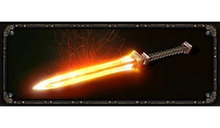
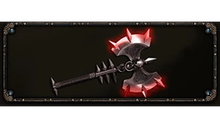
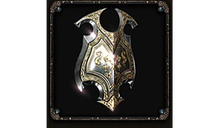
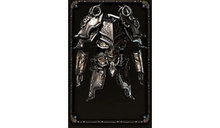
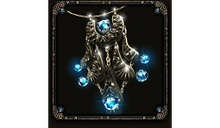
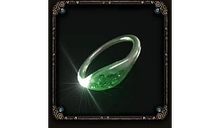
KnightFight Categories
| Section | What It Covers |
|---|---|
| Equipment | Weapons, armour, jewellery and soul stones: what is sold, what it costs, and what it does to a knight's numbers. |
| Attributes | The five trained attributes, the alignment axis they sit alongside, and the combat potential figure that summarises them. |
| Progression | Levels, experience, and the skill points that decide which equipment the merchant will sell. |
| Combat | Attacking, being attacked, the hour of protection between the two, and the separate international battle server. |
| Economy | The two currencies, the three places that take them, and the two ways of earning them. |
| Guilds | Founding a guild, the castle that sets its size, and the seven-day wars it can declare. |
| World | The estate a knight lives in and the altar inside it. |
| Achievements | Medals, and the highscore tables they are won from. |
| Abbreviations | The shorthand players use in chat and on the highscore |
| Game Principle | The knight, the oath, and what the game asks of a player |
| Premium Account | What paying changes, feature by feature |


