
Sitting
| Sitting | |
|---|---|
| What it is | Playing an account for its owner for a while |
| The stand-in | The sitter |
| Limit per sitter | Four weeks, then the sitter must change |
| Registered with | An administrator, by support ticket |
| Risk if unreported | Suspicion of multi-accounting |
Sitting is the temporary handover of an account. When the owner cannot play for a while, for whatever reason, another player keeps the knight going until they return. The stand-in is usually called the sitter.
It is an arrangement between two players. The operators only come into it when they are told that a sitting is taking place.
Why it has to be registered
The trouble with sitting is that it can look like cheating. If the sitter already has an account of their own on the same server as the account being sat, one person is logging into two accounts on one server, and from the outside that looks exactly like multi-accounting. In that case the sitting must be reported to an admin. Registering every sitting is wise anyway, so that the suspicion never arises.
Reports go through the ticket system on the MoonID portal. A ready-made form can be copied into the ticket and filled in.
The four week limit
One sitter may look after an account for four weeks at most. After that, a different sitter has to take over, otherwise the rules are broken.
Sitting during a guild war
Sitting is most common during a guild war, when members cover for one another in every direction. A war is decided by the fights between the two guilds, so an account nobody logs into leaves a gap in its own side's tally for as long as the war runs.
That is also why war weeks are when registering matters most. The rules do not change during a war, but with so many sittings running at once, honest arrangements look most like a server full of second accounts.
Equipment Categories
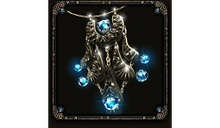
KnightFight Categories
| Section | What It Covers |
|---|---|
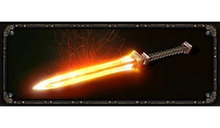
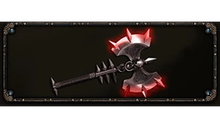
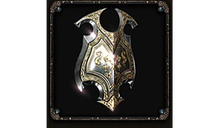
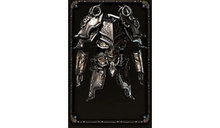
| Equipment | Weapons, armour, jewellery and soul stones: what is sold, what it costs, and what it does to a knight's numbers. |
| Attributes | The five trained attributes, the alignment axis they sit alongside, and the combat potential figure that summarises them. |
| Progression | Levels, experience, and the skill points that decide which equipment the merchant will sell. |
| Combat | Attacking, being attacked, the hour of protection between the two, and the separate international battle server. |
| Economy | The two currencies, the three places that take them, and the two ways of earning them. |
| Guilds | Founding a guild, the castle that sets its size, and the seven-day wars it can declare. |
| World | The estate a knight lives in and the altar inside it. |
| Achievements | Medals, and the highscore tables they are won from. |
| Abbreviations | The shorthand players use in chat and on the highscore |
| Game Principle | The knight, the oath, and what the game asks of a player |
| Premium Account | What paying changes, feature by feature |


