
Guild War
| Guild War | |
|---|---|
| Declared by | A guild admin, or a member holding the guild wars right |
| Timing | 24 hour wait, then 7 days |
| Cost to declare | 1,000 gold per 10 guild members |
| Won by | Leading in 2 of the 3 tallies |
| Wars at once | Five per guild |
A guild war is a seven day contest between two KnightFight guilds, declared through the declaration of war entry in the guild menu. While it runs, every fight between members of the two guilds is logged for the war, and the declaring guild pays before a single blow is struck.
Declaring is a job for a guild administrator, or for any member holding the guild wars right, which also allows calling a war off. The war does not start at once. A 24 hour wait comes first, and its countdown runs on the war report under the guild's current attack or defence wars. Every member of the target guild gets a message as soon as war is declared.
Scoring
Three tallies are kept from the fights between members of the two guilds: victories, hit points dealt and gold captured. After seven days, the guild ahead in two of the three wins. A guild can therefore win most of the fights and still lose the war if the other side hits harder and steals more. Wars won and lost show in the guild view and in the guild highscore.
Requirements
A guild needs at least five members and must have existed for at least two weeks before it can declare. It can only attack another guild directly if that guild's membership is within 70 per cent either way of its own; otherwise the target has to agree to the war first. Declaring costs 1,000 gold for every ten members, so a guild of 50 pays 5,000. No guild may fight more than five wars at the same time.
Fights during a war
War fights are ordinary fights. The twelve hour limit on attacking the same opponent stays in place, the hour protection works as it always does, and only the settlement after each fight changes, since the result also feeds the war tally.
Losing members
A guild that drops below the five member minimum has every running war stopped and counted as a defeat. The same happens if more than 20 per cent of either guild's members, counted from the day war was declared, leave or are removed while the war is on, so a war can be lost in the member list rather than on the field. A member who leaves or is removed cannot rejoin the same guild for seven days.
A war can also be ended at any time by surrendering, which always counts as a defeat for the guild that gives up.
Repeat declarations
A seven day ban follows the end of every war. A war played to its full length takes one day before the start, seven days of fighting and seven days of ban, so the same guild can be attacked again every fifteen days. After a surrender the count runs from the declaration rather than the start of the war: a guild that surrenders at once can be declared on again seven days later, and one that surrenders three days after the declaration, when the war has run for two, after ten.
Equipment Categories
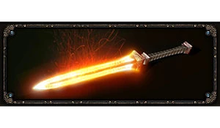
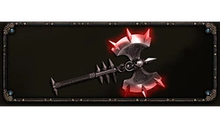
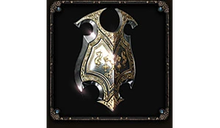
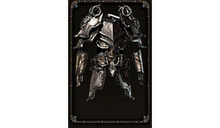
KnightFight Categories
| Section | What It Covers |
|---|---|
| Equipment | Weapons, armour, jewellery and soul stones: what is sold, what it costs, and what it does to a knight's numbers. |
| Attributes | The five trained attributes, the alignment axis they sit alongside, and the combat potential figure that summarises them. |
| Progression | Levels, experience, and the skill points that decide which equipment the merchant will sell. |
| Combat | Attacking, being attacked, the hour of protection between the two, and the separate international battle server. |
| Economy | The two currencies, the three places that take them, and the two ways of earning them. |
| Guilds | Founding a guild, the castle that sets its size, and the seven-day wars it can declare. |
| World | The estate a knight lives in and the altar inside it. |
| Achievements | Medals, and the highscore tables they are won from. |
| Abbreviations | The shorthand players use in chat and on the highscore |
| Game Principle | The knight, the oath, and what the game asks of a player |
| Premium Account | What paying changes, feature by feature |


