
Alignment
| Alignment | |
|---|---|
| Starting value | 0 |
| Neutral band | -50 to +50 |
| Change per attack | One point, up or down |
| Change per mission block | 0 to 3 points, approximate |
| Classes that carry a figure | Every equipment class except armour |
Alignment is the good and evil axis every character sits on. A new knight starts at 0 and counts as neutral anywhere from -50 to +50. Below -50 the character is evil; above +50, good.
It matters well beyond flavour. Part of the merchant's stock is only sold to a knight of the right standing, and the PvP ranking hands out a different set of titles to good, neutral and evil players.
Shifting alignment
Three activities move it.
Missions run on one of two tracks, protector of the poor and weak or robber baron on a raid, and the track is picked before the ten minute block starts, so the direction is settled in advance. The size of the step follows the payout. A block that brings in no gold leaves alignment alone, the two lowest paying bands move it by one point, the next band by two and the richest by three. These steps are approximate.
Tavern jobs push it the same way: red listings towards evil, light ones towards good.
An attack on a player of the same or the opposite alignment is worth one point, up or down depending on where the defender stands. Nothing that happens on the battlefield touches alignment at all.
Item alignment
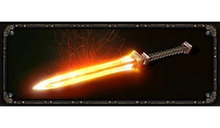
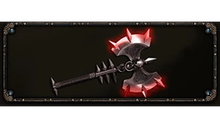
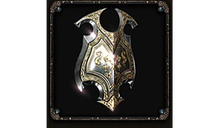
Equipment that demands a standing prints an alignment figure, and a knight's alignment has to reach it before the merchant will sell the piece. The figures run from -70,000 to +70,000, and both extremes are soul stones, one dealing shadow damage and the other holy. Weapons, shields, rings, amulets and soul stones all carry the figure on some items; armour never does.
Most of these items come in mirrored pairs. The Shadowy Blade at -600 and the Righteous Sword at +600 are the same one-handed weapon on opposite sides of the axis, identical in every other statistic and sold at the same price.
Equipment Categories
KnightFight Categories
| Section | What It Covers |
|---|---|
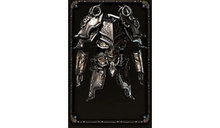
| Equipment | Weapons, armour, jewellery and soul stones: what is sold, what it costs, and what it does to a knight's numbers. |
| Attributes | The five trained attributes, the alignment axis they sit alongside, and the combat potential figure that summarises them. |
| Progression | Levels, experience, and the skill points that decide which equipment the merchant will sell. |
| Combat | Attacking, being attacked, the hour of protection between the two, and the separate international battle server. |
| Economy | The two currencies, the three places that take them, and the two ways of earning them. |
| Guilds | Founding a guild, the castle that sets its size, and the seven-day wars it can declare. |
| World | The estate a knight lives in and the altar inside it. |
| Achievements | Medals, and the highscore tables they are won from. |
| Abbreviations | The shorthand players use in chat and on the highscore |
| Game Principle | The knight, the oath, and what the game asks of a player |
| Premium Account | What paying changes, feature by feature |


